


Skin Hyperpigmentation: How Do Dark Spots Form?

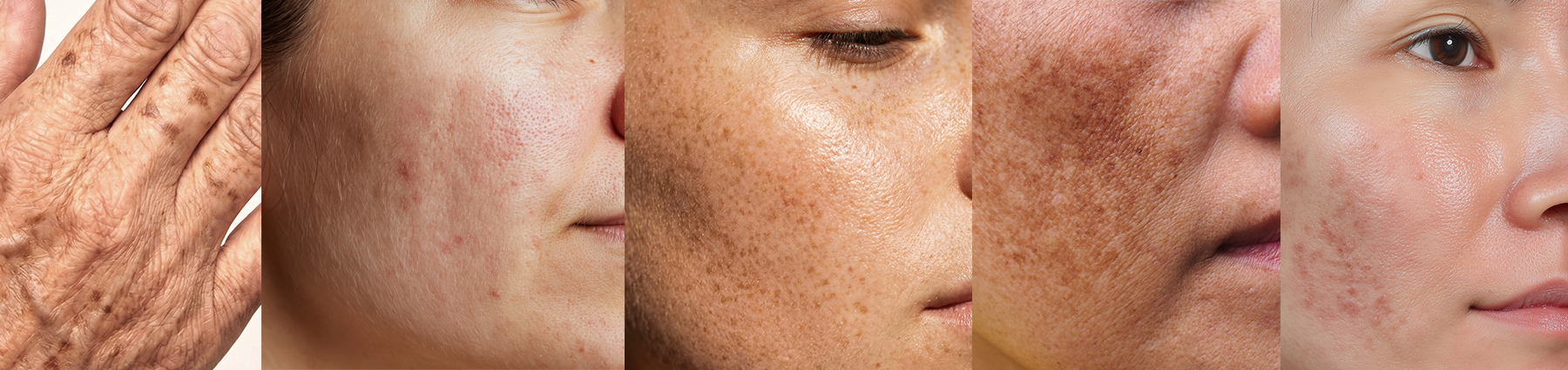
Skin spots, or hyperpigmentation, are among the most common and visible cosmetic skin concerns. They may appear as brown spots, patches of uneven pigmentation, or an uneven complexion, and most commonly affect areas that receive the greatest exposure to sunlight, such as the face, décolleté, and hands.
But why do dark spots develop? And what happens within the skin when its colour is no longer even?
To understand how to prevent and treat hyperpigmentation, it is important to know the biological mechanisms involved in its formation.
What Is Hyperpigmentation?
Hyperpigmentation is an alteration in skin colour caused by excessive or uneven production of melanin, the natural pigment responsible for the colour of the skin.
Melanin is produced by melanocytes, specialised cells located in the deepest layer of the epidermis. It plays an essential protective role by absorbing part of the ultraviolet (UV) radiation and helping protect skin cells from sun-induced damage.
Under normal conditions, melanin production is a tightly regulated process that allows the skin to adapt to external stimuli, such as during tanning.
However, when this mechanism is activated excessively or repeatedly over time, melanin production can become irregular, leading to the appearance of visible dark spots.
The most common forms of hyperpigmentation include:
- • Melasma: widespread, often symmetrical patches influenced by hormonal factors and sun exposure;
- • Solar lentigines: dark spots primarily associated with the cumulative effects of UV-induced damage over time;
- • Post-inflammatory hyperpigmentation (PIH): changes in skin pigmentation that may occur following acne, irritation, or skin inflammation;
- • Age-related dyschromia: uneven skin tone resulting from the combined effects of sun exposure, oxidative stress, and the skin's reduced regenerative capacity.
How Do Dark Spots Form?
The formation of a dark spot is the result of a series of biological processes that primarily involve melanocytes.
When the skin is exposed to ultraviolet (UV) radiation, it receives a stimulus that activates its natural defence mechanisms. Keratinocytes, the most abundant cells in the epidermis, release signalling molecules that instruct melanocytes to produce more melanin.
This is a normal physiological response: melanin production increases to protect the skin from the damaging effects of solar UV radiation.
However, frequent and prolonged sun exposure can keep this process continuously activated. As a result, melanocytes may become more reactive, producing excessive amounts of melanin or distributing it unevenly within the skin.
The outcome is a localised accumulation of pigment that appears as a visible dark spot.
The Role of Sun Exposure and Oxidative Stress
Ultraviolet radiation is one of the primary factors responsible for the development of hyperpigmentation.
In addition to directly stimulating melanin production, sun exposure promotes the formation of free radicals—unstable molecules that can disrupt the skin's natural balance.
This phenomenon, known as oxidative stress, may contribute to:
- • Further stimulating melanocyte activity.
- • Promoting low-grade inflammatory processes.
- • Impairing the skin's ability to maintain an even complexion.
Over time, the combined effects of sun exposure, oxidative stress, and repeated inflammatory stimuli can make dark spots more persistent and more difficult to treat.
Why Do Dark Spots Become More Common with Age?
Hyperpigmentation is often the result of a gradual process. It does not depend solely on recent sun exposure but rather on the cumulative effects of the various stimuli the skin has experienced over the years.
As the skin ages, its ability to renew itself and maintain efficient defence mechanisms gradually declines. Consequently, accumulated damage can lead to greater irregularities in both melanin production and distribution.
For this reason, dark spots are considered one of the most visible signs of photoageing.
How Can Dark Spots Be Prevented?
Prevention is the first step toward maintaining an even, radiant complexion.
The most important strategies include:
- • Applying a broad-spectrum sunscreen every day, even during the winter months;
- • Limiting sun exposure during peak UV hours;
- • Protecting the skin from factors that promote oxidative stress;
- • Following a targeted skincare routine with ingredients that help support skin balance and address the key biological mechanisms involved in the development of hyperpigmentation.
Once a dark spot has already developed, the goal is to help restore a more even skin tone by targeting the main factors involved in hyperpigmentation, including excessive melanin production, oxidative stress, and the changes associated with photoageing.
A well-designed skincare routine, combined with daily sun protection, can help improve the appearance of discolouration while preserving the skin's radiance and a more even complexion over time.
Recommended products in this article
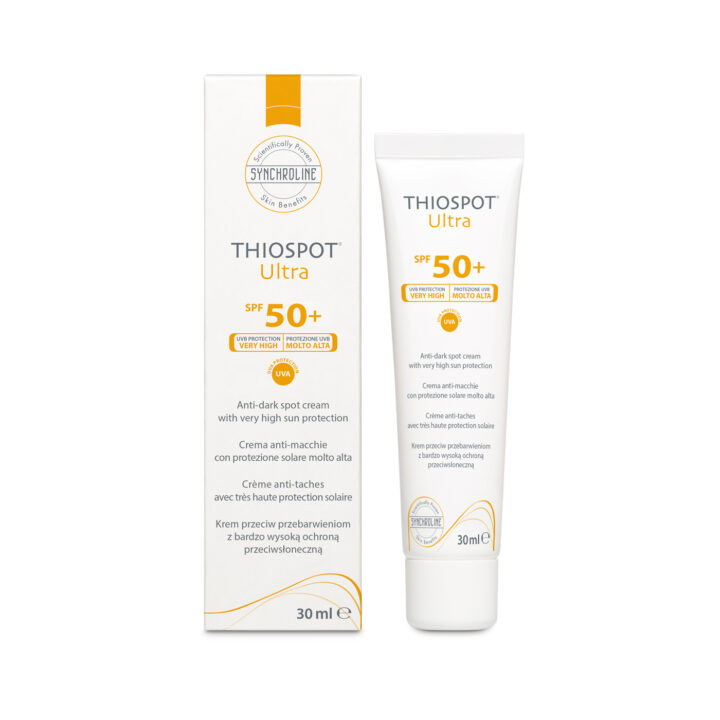
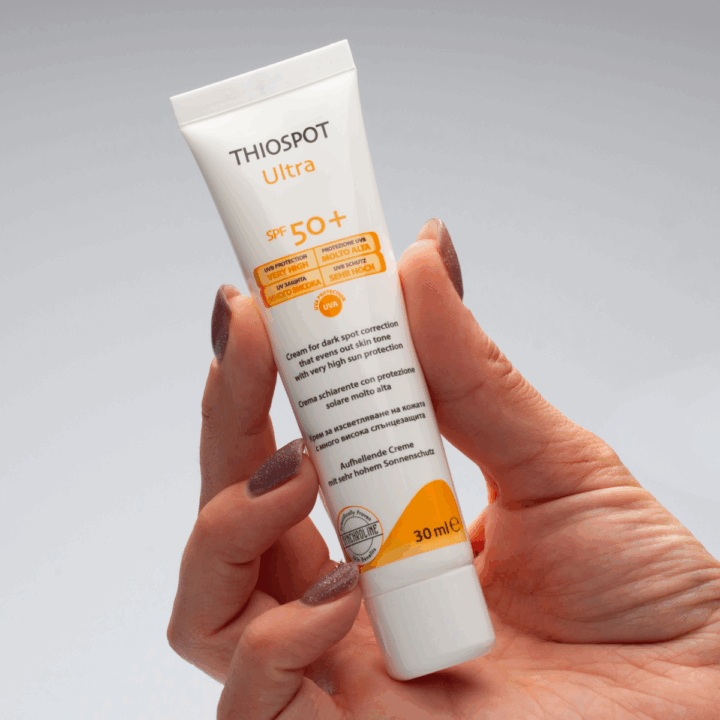
Depigmenting anti-spot cream SPF 50+
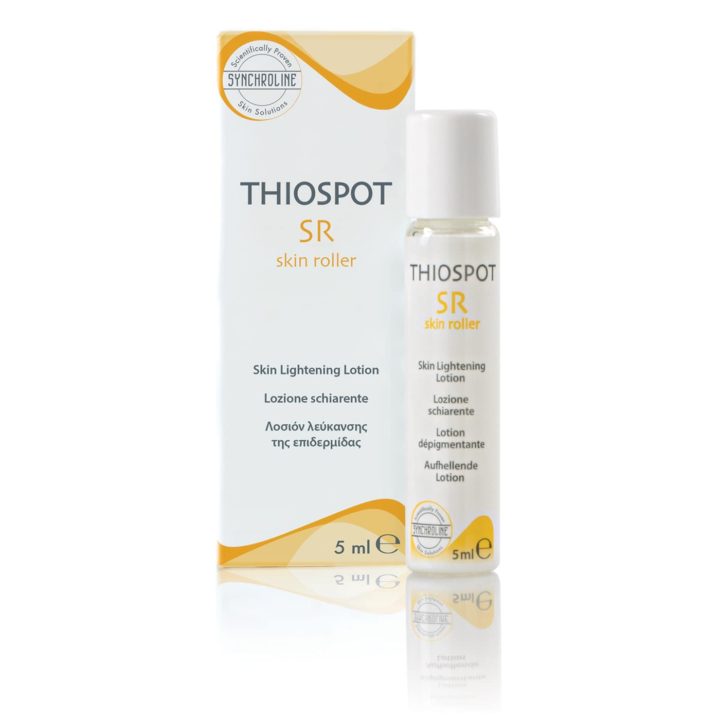
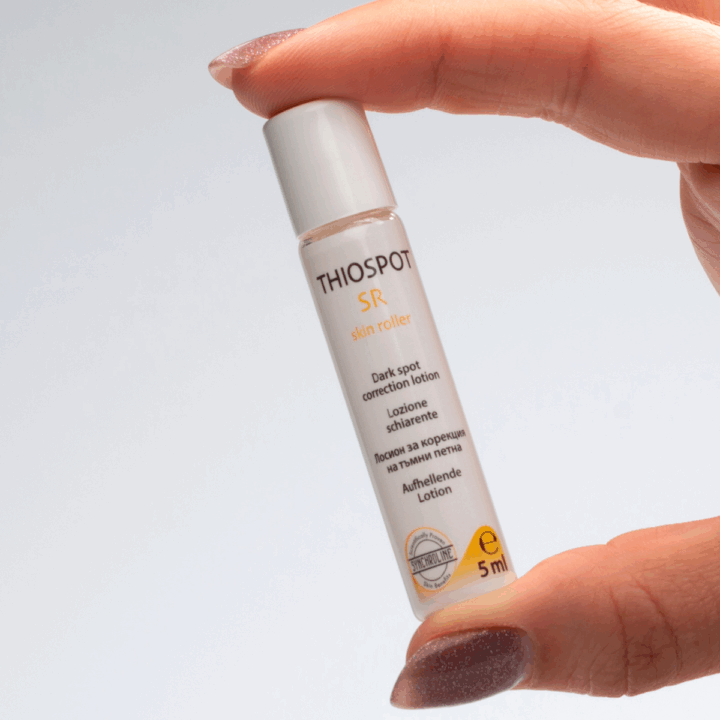
Concentrated anti-spot lotion
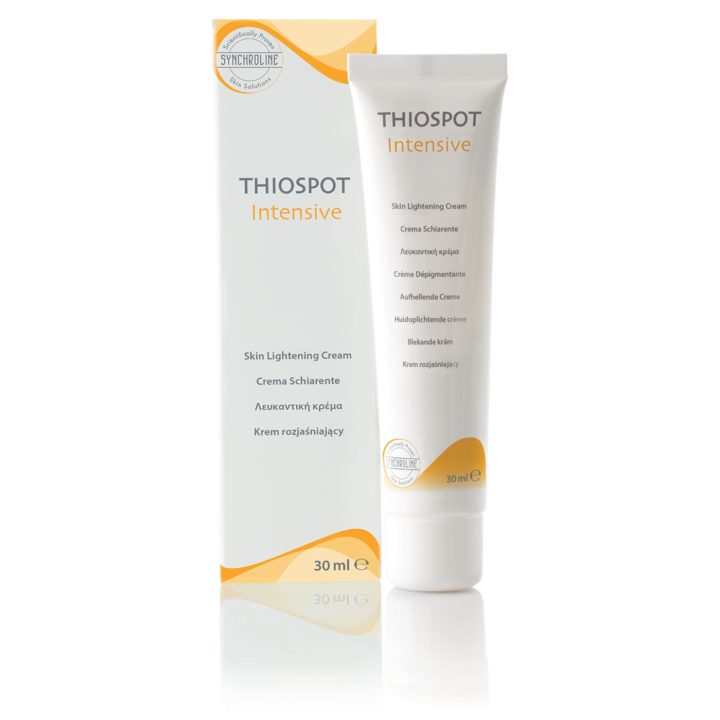
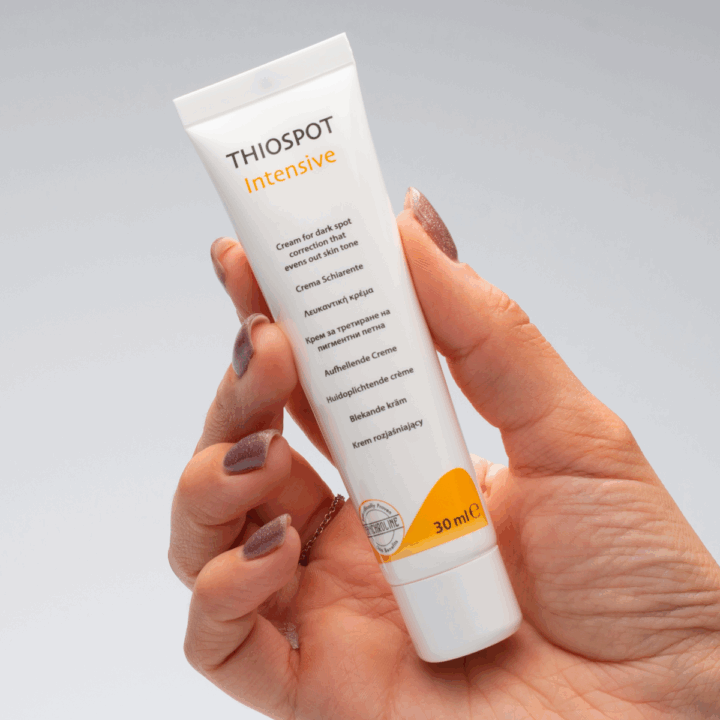
Depigmenting anti-spot cream